Bovine Colostrum, the Key to Powerful Immunity. What You Need to Know.
The immune system is a remarkable defense mechanism that protects against harmful pathogens—both viruses and bacteria. It works tirelessly, using an intricate network of cells and tissues to detect and destroy invading microorganisms.
The immune system.
It comprises various organs, cells, and proteins that are divided into two parts—the innate and the adaptive immune system. These two parts function together to protect the body. Innate immunity is the first line of defense against invading pathogens. It provides immediate, nonspecific protection. It includes physical barriers like the skin, as well as cellular and molecular components such as phagocytes, natural killer cells, and cytokines. Adaptive immunity is a more specific and targeted response that develops over time. It develops in response to exposure to an antigen and involves producing antibodies.
Adaptive immunity can be further segmented into passive and active immunity. Active immunity is long-lasting and is developed by the body’s own immune system in response to exposure to a pathogen. Passive immunity, in contrast, is a temporary immunity that is attained from outside the body. Although temporary, passive immunity is extremely important.
The unprotected newborn.
Puppies and kittens are born with a naïve immune system. Unlike humans, canine and feline placenta are relatively impermeable to maternal antibodies. In fact, it is suggested that, at most, only 10% of maternal antibodies pass through the placenta to the puppy or kitten. Therefore, neonates have insufficient immune protection immediately after birth. Consequently, the only way a newborn cat or dog can build up passive immunity is through sufficient and timely colostrum intake.
Colostrum is the first secretion from the mammary gland produced by female mammals in the days following the birth of their offspring. This thick fluid is rich in nutrients, antibodies, and other immune components, making it essential for the survival and health of newborn puppies and kittens. Indeed, colostrum has approximately twice the protein content of milk. Immunoglobulin makes up 20–30% of this protein to provide passive immunity for the newborn. This protects the neonate until their own immune system develops.
When it all goes wrong.
Given the importance of colostrum for the health and survival of newborn puppies and kittens, it is essential that they receive it as soon as possible. The first 12–16 hours after birth are critical, as this is when the newborn’s intestine can absorb colostrum immunoglobulins. After this time, the intestine barrier closes, and no more antibodies can be transmitted. Unfortunately, not all puppies and kittens receive colostrum in time and in sufficient quantity and quality.
The causes of this are many. It may be from maternal or neonatal factors and is similar in dogs and cats. Maternal factors include first whelping or queening, poor or absent colostrum, concurrent diseases, or inflammation, and dystocia or c-section birth. Alternatively, the newborn puppy or kitten may be weak or hypothermic and not able to nurse properly. In fact, large litters and the accompanying long parturition times may facilitate low colostrum intake in the last born.
It is also common for even healthy, nursing puppies and kittens to not receive sufficient antibodies. This can happen if the mother’s colostrum quality is poor. Colostrum immunoglobulin levels may also vary among breeds. In one study of passive transfer in puppies, it was determined that out of 34 litters, only about 44% had sufficient passive transfers in all the puppies. Therefore, it is important to provide the newborn with a suitable substitute. Moreover, some studies have shown that not only is there are a variability in colostrum quality among bitches—there may even be variability in the colostrum quality among the mammary glands on one bitch.
Bovine colostrum can help.
Failure of passive transfer of immunity is life threatening. Newborns are at an increased risk of infection. Colostrum is an excellent source of energy. Without adequate intake, neonatal puppies, and kittens can show a lack of energy and vitality, leading to developmental deficiencies. Studies have revealed that immunoglobulin concentration is significantly correlated with weight gain by the second day of life. Approximately 20% of puppies and kittens die before they are three weeks old. A whopping 70–90% of deaths occur during the first week of life!
Bovine colostrum is a natural, nutrient-rich maternal glandular secretion produced by cows during the first couple of milkings after giving birth. However, even after the second milking, the IgG content has rapidly decreased. Like bitch and queen colostrum, bovine colostrum contains a high concentration of immunoglobulins, growth factors, and other important nutrients that strengthen and enhance the immune system. One such component is lactoferrin. It has antibacterial and antiviral activities in the intestine, in part due to a direct effect on pathogens. Lactoferrin inhibits bacterial growth through iron deprivation and reduces viral load through increased immune system activation. Moreover, lactoferrin can stimulate intestinal cell proliferation and differentiation. One of the main benefits of bovine colostrum is its high concentration of immunoglobulins. When given within the first few hours after birth, these antibodies provide crucial passive immunity. After that, colostrum provides important local protection in the intestinal tract.
Mind the gap!
The level of passive immunity depends on the amount of colostrum ingested, its quality—that is, its IgG content—and the time of ingestion. Passive immunity is not lasting. As the puppy or kitten matures, the level of maternal antibodies in its bloodstream gradually declines, while the animal’s own immune system becomes more developed and capable of producing its own antibodies. This gradual decline in maternal antibodies and development of the animal’s own immune system creates an immunity gap. This gap is essentially the time where maternal antibodies are too low to provide protection and the animal’s own immune system is not producing enough antibodies to be protective (Figure 1).
During this time, the animal is susceptible to infection from the same foreign antigens against which passive immunity was previously protective. The immunity gap can range from a few weeks to several months. This underscores the importance of good colostrum intake. Ensuring a high level of circulating antibodies can work toward narrowing the immunity gap.
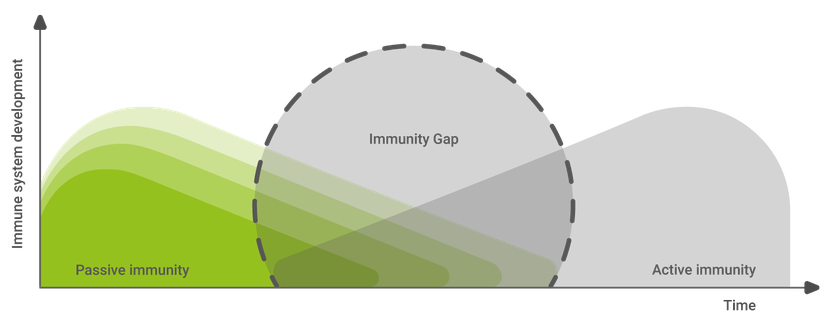 Figure 1: The immunity gap.
Not only for the very young.
Not only very young pets’ profit from colostrum supplementation—animals of all ages can benefit! For example, older kittens supplemented with bovine colostrum have been shown to have a more stable gut microbiota from the local protection from the immunoglobulins compared to those not receiving bovine colostrum. In response to vaccination, supplemented kittens had significantly higher antibody titers than their unsupplemented counterparts. This result has also been shown in adult dogs. Those receiving bovine colostrum had a faster, stronger, and longer lasting immune response to vaccinations.
Bovine colostrum has also been shown to improve fecal consistency in older puppies. Diarrhea is a common issue during weaning. Changes in diet and separation from the mother occur when the immune system is not fully competent, and passive immunity is waning. This combination increases the susceptibility of the puppy to infections and gastrointestinal problems.
Recent research has shown that bovine colostrum can also benefit aging and recovering animals. As dogs and cats age, their immune systems diminish, leaving them more susceptible to infections and illnesses (Figure 2). Similarly, when recovering from an illness or injury, their bodies may require extra support to heal properly. Bovine colostrum provides these animals with nutrients and compounds to strengthen their immune system and promote faster healing.
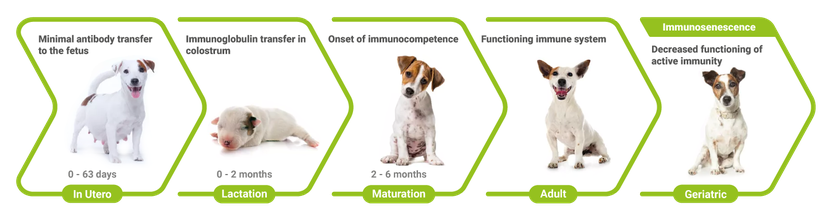 Figure 2: The immune system develops and ages.
Quality is key.
Prebimmune is a dietary feed supplement formulated as an easy-to-administer paste. When giving bovine colostrum to pets, it is important to remember that the quality of colostrum is essential to its benefits. The colostrum in Prebimmune contains a broad spectrum of antibodies, ensuring its high quality.
During processing, utmost care is taken to preserve the integrity of the active ingredients. As a result, Prebimmune provides high quality colostrum with natural immune, growth and bioactive molecules. It is based on highly digestible source of fat for an additional energy boost. The vitamins contained in Prebimmune provide extra immune support and increased vitality.
Immunity is a lifelong pursuit. Giving your pets Prebimmune can help improve your pets’ immunity, protect them against infections, and provide vitality. Prebimmune gives your pets the ultimate support that they need to thrive!


