Heat stress: 3 ways to adapt poultry feeding to climate change
In summer—especially in times of global warming—humans break out in a sweat to cool down. But how do our animals cope with the heat?
Global poultry production is facing higher ambient temperature and extended periods with challenging climate conditions. At the same time, an efficient poultry production is necessary to fulfill the global demand for poultry products with the lowest possible impact on climate and environment.
Along with optimizing animal housing and ventilation, adapting feed strategies can help maintain productivity in periods of high heat stress. Feeding management, feed composition and feed additives are three ways to adapt poultry feeding to climate change.
1. Feeding management.
Shift time of feeding until after daily heat peak to reduce metabolic heat production during the hottest hours of the day
Smooth transitions in feeding during periods with chronic heat stress (longer periods with high temperature)
Avoid feed changes and make use of extra supplements via water during acute heat stress (rapid rise in temperature)
2. Nutrient requirements and diet composition.
Body heat production is a result of digestion and metabolism. A certain temperature difference between the animal and the environment is needed to emit excess heat. If this is not possible, feed intake will be downregulated. Lower crude protein is an efficient measure to reduce metabolic heat production. The ratio of energy to essential amino acids should not be changed to avoid limitations in protein synthesis.
Digestible fat is the energy source with the lowest percentage of metabolic heat production. However, during stress, glucose becomes the predominantly required energy source. Therefore, the selection of the right combination of highly digestible energy sources is crucial. The birds cannot compensate imbalances in the nutrient supply. This leads to a higher level of abdominal fat and poor carcass quality.
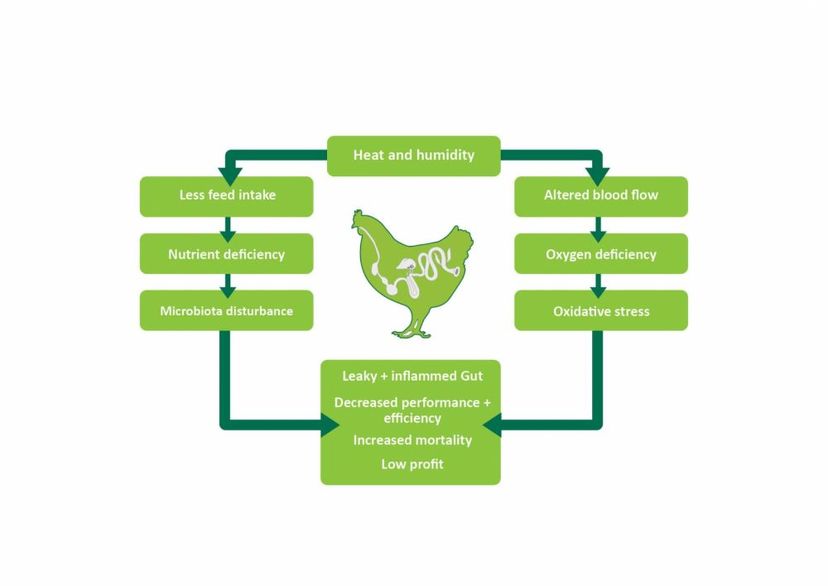 Figure 1: Effect of heat stress on growth performance of poultry (adapted from Alagawany et al., 2017).
Physiological reactions and consequences during heat stress.
Increased heat emission from panting leads to respiratory alkalosis through increased CO2 exhalation. This results in electrolyte imbalances with effects on intestinal osmoregulation and water consumption.
An impaired protein and DNA/RNA synthesis can be observed on a cellular level. The animals must manage oxidative stress and a higher demand for heat shock proteins to protect from protein misfolding.
More intensive skin perfusion reduces the blood flow to the gastrointestinal tract, limiting nutrient and oxygen supply. This increases oxidative stress and has negative impact on connections between intestinal cells (enterocytes), so-called tight junctions.
Reduced feed intake and changes in digesta characteristics can result in a dysbacteriosis. This disturbs the barrier function of the gut and fosters the risk of developing a leaky gut syndrome.
In regions where heat stress is expected for several weeks or months, the strategic use of feed additives is an important measure. Three additive groups help mitigate the physiological reactions to heat stress and its consequences:
3. Protect your animals with feed additives.
Betaine anhydrous is a multi-talent.
Maintaining osmoregulation is crucial for intestinal cell functioning. Betaine anhydrous is easily absorbed and is an organic molecule with strong osmotic properties:
It supports the enterocytes and reduces their efforts for osmoregulation via sodium-potassium-pump activity. Water retention and electrolyte supply are improved. Excessive thirst and disproportionate water intake with negative consequences for the litter quality can be avoided.
On a metabolic level, betaine increases the supply with methyl groups that help compensate heat-induced stress (adrenaline production) as well as impaired protein and DNA/RNA synthesis. Immune functions often suppressed during heat stress are also supported by extra methyl groups from betaine.
Overall, betaine anhydrous provides extra energy (savings of ion-pumps) and amino acids (re-methylation of methionine). It ends up as a precursor of glycine and the methyl groups can be used to metabolize other temporary limiting amino acids. For example, heat shock proteins (e.g., HSP 70) play an important role in the protection and repair of protein structures and tissue. L-glutamine can support expression of HSP 70 and different trials showed a strong positive correlation between antioxidant status and the level of HSP 70 during heat stress.
Organic trace minerals against oxidative stress.
Reduced feed intake and changes in digesta osmolarity endangers the optimal supply of trace minerals. Absorption is reduced, and feeding high-quality organic trace minerals helps to overcome this limited bioavailability. Trace minerals are crucial to form antioxidative enzymes like superoxide dismutase.
Oxidative stress describes an accumulation of superoxide and hydrogen peroxide (ROS = reactive oxygen species) during ATP production via oxidative phosphorylation in the mitochondria. After a sharp increase at the beginning of a heat stress period, oxidative stress leads to mitochondrial dysfunction. Based on the availability of different antioxidants like vitamin C and E, glutathione and superoxide dismutase, the formation and elimination of ROS will find a new balance if heat stress continues. Increasing antioxidants is an important measure to maintain cellular energy supply by the mitochondria, which is crucial for the cell function. Along with the superoxide dismutase, glutathione is the second important endogenous antioxidant. It consists of three important amino acids: cysteine, glutamic acid, and glycine.
If glycinates are used as a source of organic trace minerals, the contained glycine supports glutathione synthesis and helps reduce cell and tissue damage. On intestinal level, reduction of oxidative stress plays a vital role in avoiding leaky gut syndrome.
Pro- and prebiotics to support intestinal health.
The intestinal barrier function is crucial to protect the animals and especially the liver against many harmful substances and bacteria entering the portal vein. The tight junctions between the intestinal cells are the weakest part of this barrier, which makes protecting this protein bonding especially important.
In addition to helping the animals avoid leaky gut syndrome, maintaining a healthy microbiota is very important. It becomes disturbed by heat stress-induced changes in feed intake and feeding behavior. Pro- and prebiotics are the most used feed additives to stabilize and support a beneficial microbiota. They reduce the impact of harmful bacteria and make it possible to control the risk of toxic metabolites like LPS. Furthermore, pro- and prebiotics support feed digestibility and nutrient absorption. This is important for the animal’s resistance to heat stress and helps to minimize performance depression.
Conclusion.
Heat stress is a growing problem for poultry production operations because animals lose their ability to compensate for suboptimal feeding or management. This is why it is important to provide every means of support to minimize losses and help animals overcome heat stress. Feed additives play an essential role when heat stress is expected to continue for several weeks. These products should be used in combination with short term, on-farm application of special feed supplements during acute heat exposure.


