The Importance of Supporting Sows During Challenging Conditions.
Gestation, lactation, and the newborn period are the core stages for managing the production of sows and piglets. From gestation to lactation, sows undergo dramatic changes and are subject to stress from many sources throughout their lives. From the high demands placed on them during the production cycle to the environment itself, a sow’s life can be stressful.
Hot Sows = Challenged Sows.
A major stressor and serious threat to sow health is heat stress. As the name implies, heat stress is caused by high temperatures and can occur under wet or dry conditions and in both the short and long term. Generally, heat stress occurs when an organism can no longer maintain body temperature through intrinsic regulation.
Although many animals are susceptible to heat stress, swine—especially high-performance sows—are more susceptible to heat stress. Since, pigs have few sweat glands that do not respond to thermoregulatory cues. In addition, a thick layer of subcutaneous fat and relatively small lung volume reduce thermoregulatory capacity.
Signs that sows are heat stressed include reduced feed intake, decreased activity, increased respiration rate, diarrhea, weakness, and circulatory problems (Figure 1). This results in reduced feed intake, increased water intake, reduced sow performance and increased mortality and morbidity. Additionally, the risk of diarrhea—especially in piglet rearing—increases and the daily weight gain of piglets on heat stressed sows decreases.
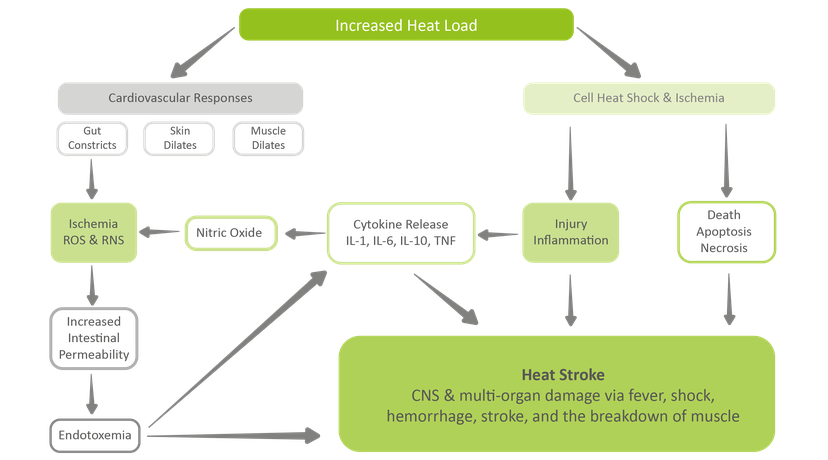 Figure 1: The effects of heat stress on internal organs.
Inflammation & Oxidative Stress.
Systemic inflammation is common at the end of the gestation period and lactation, which can lead to problems such as mastitis, dystocia, and increased stillbirth rates. While gestating, sows undergo dramatic physiologic and metabolic changes, with markedly increased oxidative stress and inflammatory responses. Imbalanced inflammatory responses are closely related to reproductive disorders, abortion, and decreased fetal growth. Farrowing has been shown to cause significant inflammatory changes in healthy sows. Moreover, maternal infection or inflammatory exposure during the gestation period can also increase the newborn piglet’s susceptibility to infection.
Sows start suffering oxidative stress induced by the increased metabolic burden . As such, oxidative stress and an impaired antioxidant system have been implicated in a variety of complications during the gestational period, including preterm labor, fetal growth restriction, pre-eclampsia, and abortion. In addition, numerous studies have implicated oxidative stress in the development of infertility.
Inflammation and oxidative stress are potentially critical factors affecting productive and reproductive performance in highly productive pregnant and lactating sows. Reducing inflammation and maintaining a healthy metabolism during late gestation and lactation in sows is extremely important to ensure sow performance and healthy growth of offspring.
Nutritional Strategies for Challenging Situations.
Nutritional strategies have the potential to help reduce the effects of stressors on the body. These ingredients work through antioxidant or anti-inflammatory pathways, as osmolytes or tissue stabilizers, or as essential cofactors in metabolism and tissue building.
Vitamin C is a powerful antioxidant. Not only does it help protect cell membranes from oxidative stress, but it also regenerates vitamin E, another important player in combating oxidative processes. Vitamin C is also an important cofactor in many metabolic processes, such as the regulation of stress hormones and the formation of collagen.
The beneficial properties of the glucoside salicin in willow bark on inflammation have been known and used for centuries. When given to animals, willow bark extract can support sows in coping with the negative effects of heat and inflammation on the cardiovascular system.
Betaine anhydrous provides osmotic protection and decreases water loss through the feces, especially in heat stressed sows. As such, it helps to regulate excessive water intake. In the intestine, betaine can stimulate cell growth and support the recovery of tissues that may have suffered damage from heat stress and inflammation.
Although just a small portion of the overall diet, trace minerals—like zinc, iron, manganese, and copper—are essential for health. For example, zinc is needed to support a strong immunity, reproduction cycles, skin and claw health, muscle development, and milk production. The need for zinc increases during gestation and lactation and during stress such as extreme heat, feed changes, and relocation.
Manganese is an essential component of several enzyme systems as well as the antioxidant system and iron’s primary role is as a component of hemoglobin and myoglobin. Iron also functions in several enzymes that are key to energy metabolism and is a component of the antioxidant system. Copper participates in iron metabolism, energy metabolism, and the formation of normal hair color. It is essential for body and bone growth, healthy nerve fibers, and white blood cell function (Figure 2). Organically bound trace elements have numerous advantages over inorganic sources such as less insoluble complex formation and beneficial absorption rates.
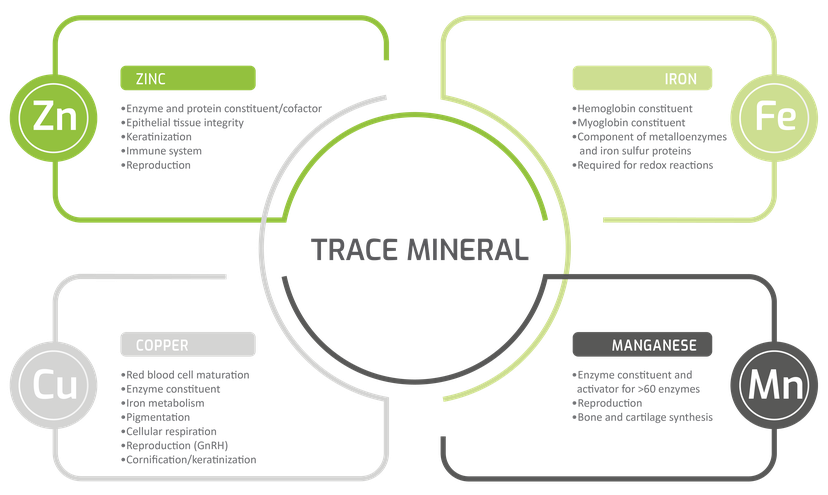 Figure 2: The physiologic functions of trace minerals.
Powerful Combinations for All Situations.
With its powerful blend of vitamin C, willow bark extract, and betaine, Stress Pack® Xtra helps protect sows from the harmful effects of heat stress and inflammation. Stress Pack® Xtra helps reduce water loss and maintain intestinal integrity, as well as improve blood flow to internal organs, reducing hypoxia and mortality.
The effects of supplementing Stress Pack® Xtra during extreme weather conditions on farrowing duration, days in lactation, and live versus stillborn piglets were tested in a controlled field trial with 250 sows. Stress Pack® Xtra was supplemented in the drinking water (1.5 L Stress Pack® Xtra/1,000 L) from 1 week prior to farrowing until weaning. The control group received no supplementation. Other measured parameters included daily water and feed intake, ambient and barn temperature.
During heat stress conditions (> 27 ° C), there were significantly more live-born piglets in the supplemented group compared to the control group (p < 0.05). This was independent of parity (Figure 3). In addition, farrowing time per piglet was shorter in the supplemented group, which may have contributed to the improved live births in this group.
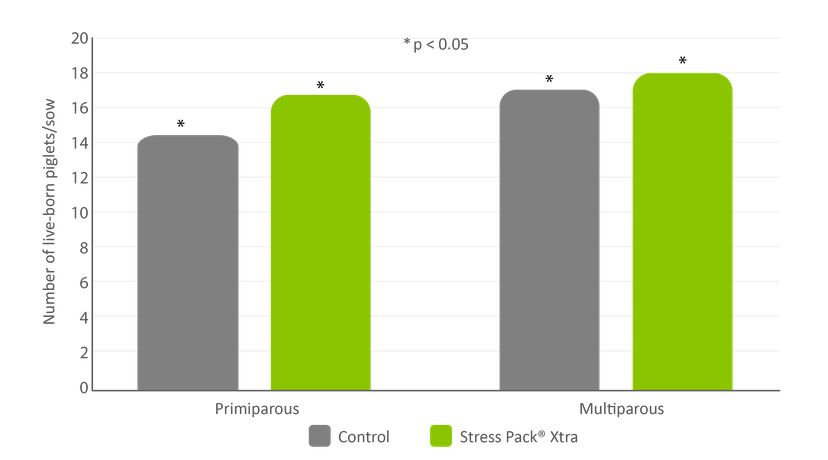 Figure 3: Primiparous and multiparous sows supplemented with Stress Pack® Xtra had significantly more live-born piglets while exposed to heat stress conditions. Primiparous sows supplemented with Stress Pack® Xtra had a 16% increase in live piglets born and multiparous sows had a 5% increase in live-born piglets (p < 0.05).
In addition to body tissue and metabolic functions, water is used for thermoregulation. Therefore, increased water consumption may be a response to heat stress. On average, sows supplemented with Stress Pack® Xtra consumed approximately 17 % less water than sows in the control group. In addition, supplemented sows consumed less water at temperatures ≥ 29° C (p < 0.05) and significantly less water at internal temperatures ≥ 30° C (p < 0.001; Figure 4).
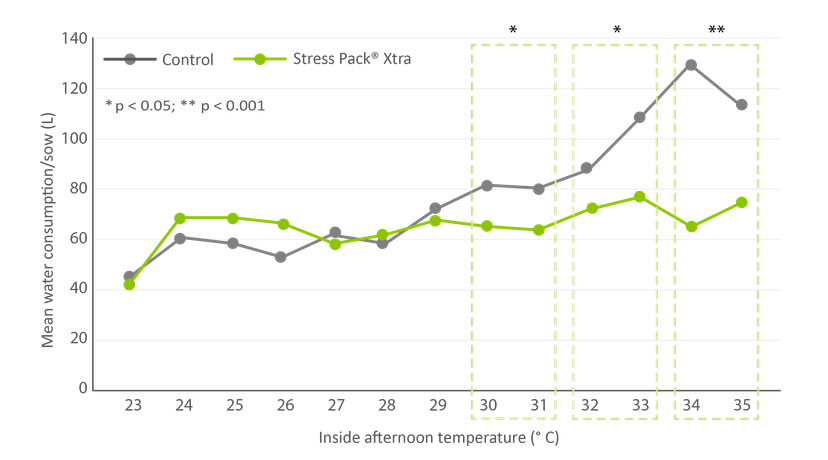 Figure 4: Mean water consumption per sow versus indoor temperature.
This study demonstrates the effects of supplantation of Stress Pack® Xtra in the drinking water:
Significantly more live-born piglets per sow
Shorter farrowing time per piglet
Significantly reduced water consumption at increased temperatures
Fertility Pack® Sow is designed to support sows in late gestation and lactation, or in times of increased demand during heat stress or increased risk of inflammation. Fertility Pack® Sow helps prevent trace element deficiencies in high performing sows by providing a balanced blend of bioavailable copper, zinc, iron, manganese, and essential vitamins. Optimal levels of trace elements support sows at all stages of production, maximizing fertility, milk production, health, and body condition (Figure 5).
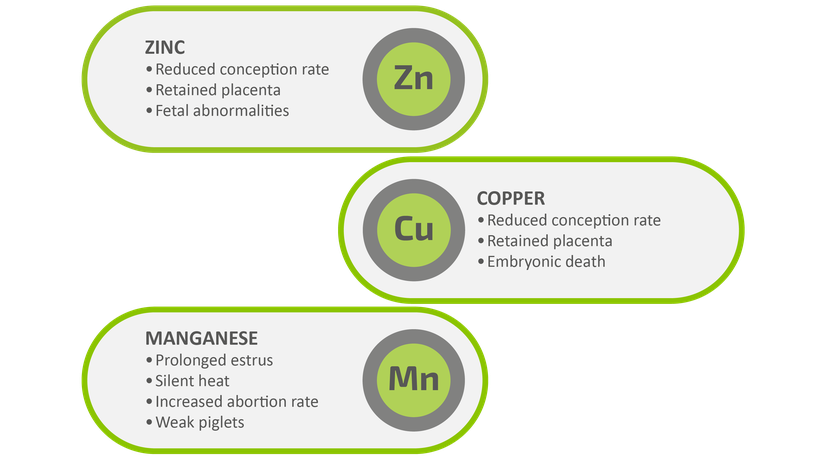 Figure 5: The impact of trace mineral deficiencies on fertility and reproduction.
Field trials with Fertility Pack® Sow have shown improved return rates and weaning to service intervals, improved sow and piglet performance, and improved blood parameters in piglets from supplemented sows. Supplementation with Fertility Pack® Sow has a significant impact at all stages of reproduction. It can help increase litter size and longevity and reduce lameness and early culling.
Stress Pack® SL’s innovative formulation contains a balanced combination of vitamin C, betaine, L-tryptophan, and highly bioavailable magnesium to help reduce excitability and promotes a sense of calm. The synergistic effects of the four components of Stress Pack® SL result in a significant reduction in stress hormones, making it an effective tool for the maintenance of performance parameters.
Sows are exposed to high performance intensity, especially during challenging conditions. Don’t let stress eat away at your sow’s health or your profits. Stress Pack® Xtra, Fertility Pack® Sow, and Stress Pack® SL are excellent tools to keep your sows productive and on track even when exposed to challenging conditions.


