Productive resilience in modern poultry production: Thriving under stress
Modern poultry production has achieved remarkable advances over the last decades. Improvements in genetics, nutrition, health programs and management practices have allowed poultry to reach high levels of productive efficiency. Today's poultry industry continuously pushes the boundaries of growth rate, feed efficiency, reproductive performance and egg production while maintaining high animal health and welfare standards.
However, this high level of performance also means that birds must continuously adapt to a wide range of physiological challenges throughout their productive lives. From hatch to slaughter, or throughout an extended productive cycle in layers and breeders, birds are exposed to environmental, nutritional, sanitary and management stressors that require continuous physiological adaptation.
This ability to maintain health, welfare and performance despite daily challenges is known as productive resilience. It depends on several interconnected physiological systems, including antioxidant defenses, immunity, gut integrity, liver function, inflammatory responses and energy metabolism.
The goal is not to eliminate stress, which is a normal part of production, but to help birds adapt efficiently and maintain performance throughout the production cycle. Nutrition is one of the key tools to support this process.
Physiological Challenges Throughout Poultry Production
Throughout production, animals are exposed to a variety of physiological challenges. Hatchery procedures, vaccination, transportation, heat stress, sanitary challenges and high productive demands all require birds to continuously adapt. Even routine management practices place additional demands on poultry. Vaccination activates the immune system, transportation and handling trigger stress responses, while heat stress reduces feed intake.
Modern poultry genetics also increases metabolic requirements. Fast-growing broilers and high-producing layers and breeders require efficient nutrient utilization and energy metabolism to sustain performance throughout production.
Physiological challenge | Possible consequences |
|---|---|
Hatchery stress | Physiological + Oxidative stress and dehydration |
Vaccination | Inflammation and metabolic costs |
Transportation | Physiological stress and reduced performance |
High stocking density | Behavioral and physiological stress |
Heat stress | Physiological + Oxidative stress and reduced feed intake |
Nutritional challenges | Poor nutrient utilization |
Sanitary challenges | Immune activation and inflammation |
High productive demands | Increased metabolic requirements |
Physiological Stress and Productive Resilience
When animals face a challenge, several physiological systems respond at the same time. The endocrine and immune systems become activated, increasing corticosterone production, inflammatory mediators and nutrients requirements. Although these responses are essential for adaptation and survival, prolonged or excessive activation may increase oxidative stress and divert nutrients and energy away from productive processes.
Most physiological challenges share similar physiological responses. Increased metabolic activity generates more reactive oxygen species (ROS) and inflammatory mediators, increasing the risk of oxidative stress when antioxidant defenses are insufficient.
Oxidative stress occurs when the production of reactive oxygen species exceeds the animals’ antioxidant defenses. This imbalance may impair gut integrity, liver function, nutrient utilization and natural defenses, ultimately affecting productive performance. Nutritional antioxidants such as vitamins C and E, together with antioxidant enzymes, help maintain cellular balance during these periods.
Oxidative stress represents one component of a highly interconnected physiological network involving inflammation, immunity and energy metabolism. Together, these processes influence how efficiently birds respond to production challenges and maintain productive resilience.
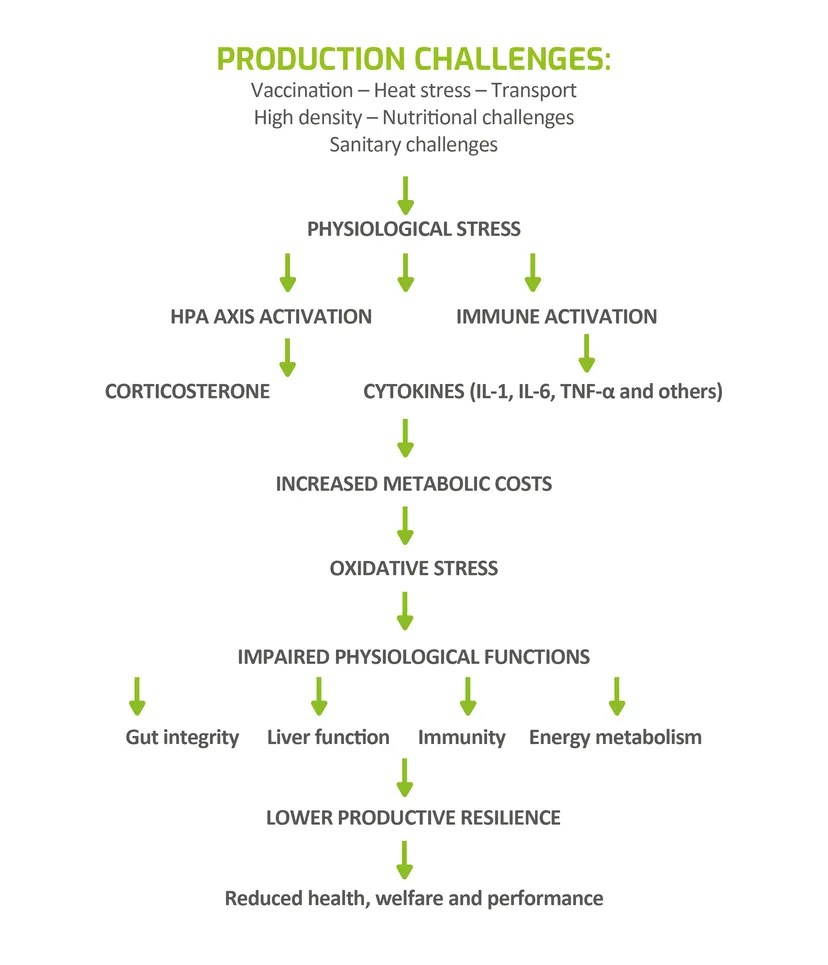 Figure 1: Physiological consequences of stress.
Not all stress is harmful. Vaccination, for example, intentionally activates the immune system to build protection, while inflammatory and oxidative processes are part of normal physiology. The goal is not to eliminate these responses, but to help birds deal with them more efficiently, minimizing unnecessary metabolic costs and maintaining health, welfare and productive performance.
Productive Resilience is Multifactorial
Productive resilience depends on several interconnected physiological systems. Gut integrity influences nutrient utilization, the liver supports metabolism, antioxidant defenses protect cells and stress adaptation mechanisms help birds respond to daily challenges. Together, these systems determine how efficiently the animals maintain health and performance throughout production. Nutritional strategies should therefore be viewed as complementary tools that support different physiological functions according to the poultry’s needs.
Nutritional Strategies Supporting Productive Resilience
Maintaining productive resilience requires a combination of good management, health programs, environmental control and targeted nutrition. Within this integrated approach, nutritional strategies can support key physiological functions during periods of increased stress, helping the animals better adapt to production challenges.
Antioxidant Defenses
Antioxidants are among the first lines of defense against oxidative stress. Vitamins E and C, selenium and zinc play essential roles in maintaining cellular redox balance, protecting cell membranes and supporting antioxidant enzyme activity, especially during periods of increased metabolic activity. LiquiVit® E/Se/Zn combines vitamin E, selenium and zinc to provide targeted antioxidant support, helping the animals maintain antioxidant defenses during environmental, sanitary and production-related challenges.
Supporting Natural Defenses and Epithelial Integrity
Adequate nutrition is essential for maintaining natural defenses and epithelial integrity. Highly bioavailable organic trace minerals, together with vitamins and betaine, support cellular metabolism, tissue maintenance and normal physiological functions. BIOZink SL provides key nutrients that support natural defenses and epithelial integrity, making it particularly valuable during periods of increased physiological demand, such as around vaccination.
Stress Adaptation
Stress affects behavior, feed intake, endocrine responses and metabolic activity. Helping poultry adapt to these situations is essential for maintaining welfare and productive performance. Stress Pack® SL combines tryptophan, magnesium, betaine and antioxidant support to promote stress adaptation. By supporting stress-related physiological responses, Stress Pack® SL helps maintain animal welfare and productive performance during handling and other management-related challenges.
Supporting Physiological Responses to Inflammatory Challenges
Inflammation is a natural physiological response to challenges such as vaccination, heat stress and sanitary conditions. However, prolonged activation may increase metabolic demands and reduce the nutrients available for productive processes.
Stress Pack® Xtra combines antioxidants, plant-derived bioactive compounds and betaine to provide nutritional support during these periods. By contributing to antioxidant defenses, cellular protection and osmotic balance, Stress Pack® Xtra helps birds maintain normal physiological functions during inflammatory and oxidative challenges.
Liver Function and Energy Metabolism
High productive performance places considerable demands on energy metabolism and liver function. Efficient fatty acid utilization and mitochondrial activity are particularly important in long-lived poultry species, as layers and breeders, helping sustain metabolic efficiency throughout the production cycle. LiquiTonic LC and LiverPro were developed to support liver function and metabolic efficiency by promoting fatty acid utilization, energy metabolism and healthy liver function. By helping reduce excessive hepatic fat accumulation, they contribute to efficient nutrient utilization throughout production.
Early-Life Gut Resilience
The first days of life are critical for intestinal development and microbial colonization, influencing health and performance throughout production. B.I.O.Sol combines probiotics and osmoprotective compounds to support early gut development, epithelial integrity and intestinal homeostasis. By promoting a balanced intestinal environment from the first days of life, B.I.O.Sol helps establish the foundation for future health and productive performance.
Conclusion
In modern poultry production, stress is inevitable, but its consequences do not have to be. Productive resilience is not about eliminating physiological challenges, but supporting birds' ability to adapt, recover and maintain health and performance throughout production. Together with good management practices, environmental control and health programs, nutritional strategies help different poultry species better deal with production challenges while sustaining productive performance and welfare.


