Biochem
Products
Biochem
gmp+

GMP+ (FSA)

Feed Safety

A Futter

A-Futter

Quality Management

EG OKO

EG-Öko

Organic Feed

QS Feed Safety

QS

Feed Safety

GMP+FRA

GMP+ (FRA)

Quality Management

ISO 50001

ISO 50001

Energy Management

ISO 9001

ISO 9001:2015

Quality Management

VLOG

VLOG

Quality Management

EcoVadis

EcoVadis

Sustainability

Let’s Connect:LinkedInFacebookYoutube

Links

  • About Us
  • Contact Us
  • FAQs
  • Environment and Safety
  • Whistleblower Platform
  • Modern Slavery Act Statement

Products

  • All Products
  • TechnoSpore®
  • B.I.O.Tox® Activ8
  • E.C.O.Trace® Iron
  • BetaTrace® Iron
  • LiquiTonic LC

Animal Species

  • Ruminants
  • Poultry
  • Swine
  • Aquaculture
  • Companions

Legal

  • Imprint
  • Privacy Policy
  • Terms & Conditions

© 2025, Biochem Zusatzstoffe Handels- und Produktionsgesellschaft mbH

  • ImprintPrivacy PolicyTerms & Conditions
  1. Home
  2. News
  3. Articles
  4. Heat stress: 3 ways to adapt poultry feeding to climate change

Heat stress: 3 ways to adapt poultry feeding to climate change

Publicado em: March 26, 2020
Autor: Biochem Team
Hora: 5 min read
Compartilhar no:
Loading article content for text-to-speech...

In summer—especially in times of global warming—humans break out in a sweat to cool down. But how do our animals cope with the heat?

Global poultry production is facing higher ambient temperature and extended periods with challenging climate conditions. At the same time, an efficient poultry production is necessary to fulfill the global demand for poultry products with the lowest possible impact on climate and environment.

Along with optimizing animal housing and ventilation, adapting feed strategies can help maintain productivity in periods of high heat stress. Feeding management, feed composition and feed additives are three ways to adapt poultry feeding to climate change.

1. Feeding management.

  • Shift time of feeding until after daily heat peak to reduce metabolic heat production during the hottest hours of the day

  • Smooth transitions in feeding during periods with chronic heat stress (longer periods with high temperature)

  • Avoid feed changes and make use of extra supplements via water during acute heat stress (rapid rise in temperature)

2. Nutrient requirements and diet composition.

Body heat production is a result of digestion and metabolism. A certain temperature difference between the animal and the environment is needed to emit excess heat. If this is not possible, feed intake will be downregulated. Lower crude protein is an efficient measure to reduce metabolic heat production. The ratio of energy to essential amino acids should not be changed to avoid limitations in protein synthesis.

Digestible fat is the energy source with the lowest percentage of metabolic heat production. However, during stress, glucose becomes the predominantly required energy source. Therefore, the selection of the right combination of highly digestible energy sources is crucial. The birds cannot compensate imbalances in the nutrient supply. This leads to a higher level of abdominal fat and poor carcass quality.
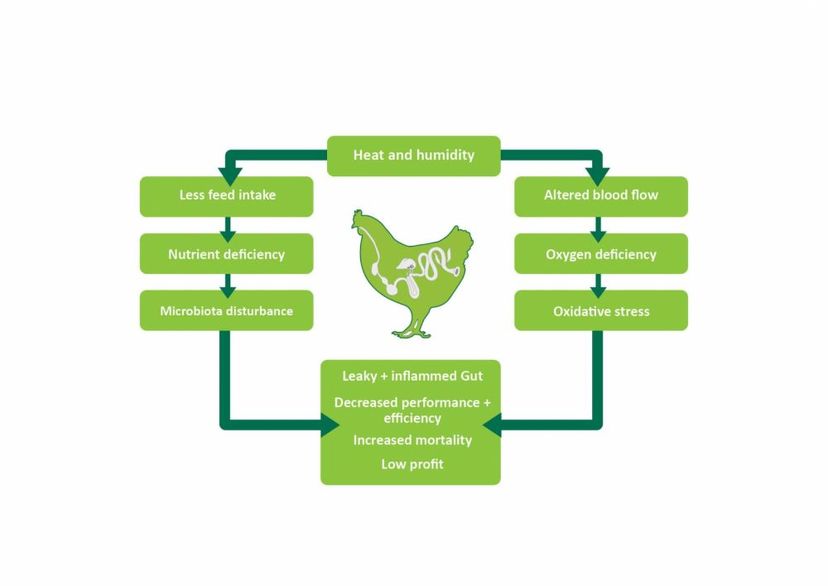
Figure 1: Effect of heat stress on growth performance of poultry (adapted from Alagawany et al., 2017).

Physiological reactions and consequences during heat stress.

  • Increased heat emission from panting leads to respiratory alkalosis through increased CO2 exhalation. This results in electrolyte imbalances with effects on intestinal osmoregulation and water consumption.

  • An impaired protein and DNA/RNA synthesis can be observed on a cellular level. The animals must manage oxidative stress and a higher demand for heat shock proteins to protect from protein misfolding.

  • More intensive skin perfusion reduces the blood flow to the gastrointestinal tract, limiting nutrient and oxygen supply. This increases oxidative stress and has negative impact on connections between intestinal cells (enterocytes), so-called tight junctions.

  • Reduced feed intake and changes in digesta characteristics can result in a dysbacteriosis. This disturbs the barrier function of the gut and fosters the risk of developing a leaky gut syndrome.

In regions where heat stress is expected for several weeks or months, the strategic use of feed additives is an important measure. Three additive groups help mitigate the physiological reactions to heat stress and its consequences: 

3. Protect your animals with feed additives.

Betaine anhydrous is a multi-talent.

Maintaining osmoregulation is crucial for intestinal cell functioning. Betaine anhydrous is easily absorbed and is an organic molecule with strong osmotic properties:

  • It supports the enterocytes and reduces their efforts for osmoregulation via sodium-potassium-pump activity. Water retention and electrolyte supply are improved. Excessive thirst and disproportionate water intake with negative consequences for the litter quality can be avoided.

  • On a metabolic level, betaine increases the supply with methyl groups that help compensate heat-induced stress (adrenaline production) as well as impaired protein and DNA/RNA synthesis. Immune functions often suppressed during heat stress are also supported by extra methyl groups from betaine.

Overall, betaine anhydrous provides extra energy (savings of ion-pumps) and amino acids (re-methylation of methionine). It ends up as a precursor of glycine and the methyl groups can be used to metabolize other temporary limiting amino acids. For example, heat shock proteins (e.g., HSP 70) play an important role in the protection and repair of protein structures and tissue. L-glutamine can support expression of HSP 70 and different trials showed a strong positive correlation between antioxidant status and the level of HSP 70 during heat stress.

Organic trace minerals against oxidative stress.

Reduced feed intake and changes in digesta osmolarity endangers the optimal supply of trace minerals. Absorption is reduced, and feeding high-quality organic trace minerals helps to overcome this limited bioavailability. Trace minerals are crucial to form antioxidative enzymes like superoxide dismutase.

Oxidative stress describes an accumulation of superoxide and hydrogen peroxide (ROS = reactive oxygen species) during ATP production via oxidative phosphorylation in the mitochondria. After a sharp increase at the beginning of a heat stress period, oxidative stress leads to mitochondrial dysfunction. Based on the availability of different antioxidants like vitamin C and E, glutathione and superoxide dismutase, the formation and elimination of ROS will find a new balance if heat stress continues. Increasing antioxidants is an important measure to maintain cellular energy supply by the mitochondria, which is crucial for the cell function. Along with the superoxide dismutase, glutathione is the second important endogenous antioxidant. It consists of three important amino acids: cysteine, glutamic acid, and glycine.

If glycinates are used as a source of organic trace minerals, the contained glycine supports glutathione synthesis and helps reduce cell and tissue damage. On intestinal level, reduction of oxidative stress plays a vital role in avoiding leaky gut syndrome.

Pro- and prebiotics to support intestinal health.

The intestinal barrier function is crucial to protect the animals and especially the liver against many harmful substances and bacteria entering the portal vein. The tight junctions between the intestinal cells are the weakest part of this barrier, which makes protecting this protein bonding especially important.

In addition to helping the animals avoid leaky gut syndrome, maintaining a healthy microbiota is very important. It becomes disturbed by heat stress-induced changes in feed intake and feeding behavior. Pro- and prebiotics are the most used feed additives to stabilize and support a beneficial microbiota. They reduce the impact of harmful bacteria and make it possible to control the risk of toxic metabolites like LPS. Furthermore, pro- and prebiotics support feed digestibility and nutrient absorption. This is important for the animal’s resistance to heat stress and helps to minimize performance depression.

Conclusion.

Heat stress is a growing problem for poultry production operations because animals lose their ability to compensate for suboptimal feeding or management. This is why it is important to provide every means of support to minimize losses and help animals overcome heat stress. Feed additives play an essential role when heat stress is expected to continue for several weeks. These products should be used in combination with short term, on-farm application of special feed supplements during acute heat exposure.

More Articles

Understanding the World Through Our Pets’ Eyes

Entendendo o mundo através dos olhos dos nossos animais de estimação

A vida moderna pode ser tão estressante para nós quanto para nossos animais de estimação. De tempestades repentinas a pequenas mudanças nas rotinas diárias, cães e gatos frequentemente precisam de um apoio extra para se sentirem seguros e tranquilos. Descubra como uma abordagem natural e suave para o equilíbrio emocional pode ajudar seu animal de estimação a permanecer “Naturalmente Estável” e “Suavemente Equilibrado” todos os dias.

Share on:
The Billion-Dollar Stress Problem You Can’t Cool Away

O problema bilionário do estresse térmico que não se resolve apenas com resfriamento

À medida que as temperaturas sobem e a pressão metabólica se acumula, as consequências econômicas para as operações leiteiras começam muito antes de as perdas se tornarem visíveis no tanque de leite. Descubra por que uma abordagem multifatorial para a resiliência ao estresse é o investimento mais eficaz que você pode fazer — para cada estação, cada ciclo, cada vaca.

Share on:
How to Reliably Prove the Efficacy of a Toxin Binder

Como comprovar a eficácia de um adsorvente de micotoxinas com segurança?

Como saber se o seu adsorvente de micotoxinas realmente funciona no organismo do animal? Descubra nosso método de avaliação validado que conecta uma simulação gastrointestinal precisa em laboratório com dados de referência de testes de desempenho in vivo multimicotoxinas em frangos de corte.

Share on:
Feed Intake First – The Top Priority.

Consumo de Ração Primeiro – A Prioridade Máxima.

The weaning transition is a critical window for piglet development. When feed intake drops, gut integrity follows, creating a cycle of poor performance. Our latest research explores how the umami-rich profile of Kluyveromyces fragilis provides a stable, natural foundation to maintain appetite and support immunity during this high-stress period.

Share on:
Securing the Future of Dairy Performance with Rumen Bypass Betaine.

BetaTrace®: Garantindo o futuro do desempenho leiteiro com betaína que contorna o rúmen.

A betaína padrão é frequentemente perdida devido à degradação no rúmen, limitando sua capacidade de apoiar as vacas em transição quando elas mais precisam. BetaTrace® supera esse desafio ao complexar a betaína com minerais orgânicos, permitindo que ela contorne o rúmen e apoie efetivamente a saúde e o metabolismo do fígado. Descubra como esse aditivo de dupla ação aumenta a disponibilidade de metionina e melhora o desempenho da lactação, ao mesmo tempo em que fornece minerais essenciais.

Share on:
Managing Mycotoxins: Real Stories, Real Solutions.

Gerenciando micotoxinas: histórias reais, soluções reais.

Quando um suinocultor enfrentou uma instabilidade inexplicável em seu rebanho de matrizes. Os adsorventes comuns a base de zeolita não solucionaram o problema. Leia como a mudança para B.I.O.Tox® Activ8 restaurou o desempenho reprodutivo e melhorou o número de leitões desmamados em um ensaio de campo de seis meses.

Share on:
Time to Rethink Weaning: Why Smarter Strategies Deliver Stronger Biological and Economic Outcomes in Dairy Calves.

É hora de repensar o desmame: por que estratégias mais inteligentes proporcionam melhores resultados biológicos e econômicos em bezerros leiteiros.

Encarar a criação de novilhas apenas como um centro de custos é ignorar seu potencial como um grande investimento na produtividade futura do seu rebanho. A fase de desmame é particularmente crítica; erros nessa fase podem anular os ganhos iniciais e reduzir permanentemente a produção de leite ao longo da vida. Descubra como facilitar o desmame e proteger seu investimento com RumiPro® Wean.

Share on:
Day-Old Chick Quality: Why is it an important topic?

Qualidade dos pintos de um dia: por que é um tema importante?

Descubra por que a qualidade dos pintos de um dia se tornou o fator decisivo no volátil mercado avícola atual. Saiba como as primeiras horas após a eclosão podem determinar o potencial de desempenho de todo o seu lote e porque os principais produtores estão implementando protocolos especializados de suporte inicial. Descubra estratégias comprovadas cientificamente que podem melhorar drasticamente a qualidade e a rentabilidade dos seus pintos de um dia (DOC).

Share on:
Managing Large Litters

Gerenciando ninhadas grandes.

O progresso na reprodução resultou em ninhadas maiores, mas não sem custos. As metas de reprodução das porcas mudaram nas últimas décadas, com foco na seleção de taxas de ovulação mais altas e ninhadas maiores. Isso não apenas aumenta a demanda e a pressão sobre as porcas, mas também aumenta a variação no peso ao nascer, a competição pelo úbere e as perdas antes do desmame. Este boletim informativo explica maneiras práticas e baseadas na ciência para apoiar a saúde das porcas, o fornecimento de colostro e leite e os cuidados iniciais com os leitões. Você também verá como a entrega à base de água e os conceitos de alimentação individualizada na fazenda podem aumentar a uniformidade e o sucesso do desmame.

Share on:
TechnoSpore® in Broilers: A Meta-Analysis.

TechnoSpore® em frangos de corte: uma meta-análise.

A produção moderna de frangos enfrenta desafios únicos devido ao rápido crescimento e à alta suscetibilidade a doenças. Descubra como TechnoSpore®, um probiótico à base de Bacillus coagulans DSM 32016, aumenta a eficiência da produção, melhorando a saúde intestinal e a digestibilidade da ração. Apoiado por estudos extensivos envolvendo mais de 3 milhões de aves, TechnoSpore® oferece resultados mensuráveis que podem melhorar significativamente o desempenho do seu rebanho.

Share on:
Mycotoxins: A Pervasive Challenge.

Micotoxinas: Um desafio generalizado.

As micotoxinas representam uma ameaça silenciosa, mas generalizada, à alimentação animal e à saúde do gado em todo o mundo. Descubra como esses perigos ocultos se desenvolvem, por que a contaminação múltipla é uma preocupação crescente e os métodos avançados essenciais para uma detecção precisa. Saiba como a Biochem enfrenta esses desafios e descubra o que é possível fazer com a análise de micotoxinas, incluindo estratégias personalizadas para proteger o bem-estar animal e a lucratividade.

Share on:
Rethinking Trace Minerals: Healthier Shrimp, Cleaner Planet with E.C.O.Trace®.

Repensando os minerais-traço: camarões mais saudáveis e um planeta mais limpo com E.C.O.Trace®.

Os minerais traço são vitais para o desempenho máximo dos seus animais, mas como podemos garantir sua ingestão ideal sem prejudicar o planeta? A suplementação tradicional pode levar a um desperdício significativo de minerais e a preocupações ambientais. Descubra como E.C.O.Trace® minerais traço orgânicos oferecem uma solução mais inteligente, melhorando a absorção para proporcionar uma saúde melhor aos camarões com menos impacto ambiental. É hora de alcançar mais com menos para um futuro sustentável na nutrição de camarões.

Share on:

Subscribe to our Newsletter.

Stay in the loop! Get educational insights and product news delivered right to your inbox. Sign up for our quarterly newsletter today!