36 h. Early Feeding Key facts for optimal chick support
Early feeding is currently a hot topic. But what exactly does it mean? Early feeding covers more than the gap between hatch and housing. It provides high-quality feed within the first 5 – 7 days post-hatch. A successful concept includes hatchery processes.
The feeding of day-old chicks conventionally starts with the placement of chicks on the farm. A starter feed is provided ad libitum when the chicks arrive. The house should be optimally prepared before their arrival to assure a good start into the brooding phase.
But how have the chicks been cared for before? The chicks may already be up to 60, sometimes even 72 hours old before they have access to feed and water in the house. The time also depends on the hatch window, the processing time in the hatchery, and time on the road.
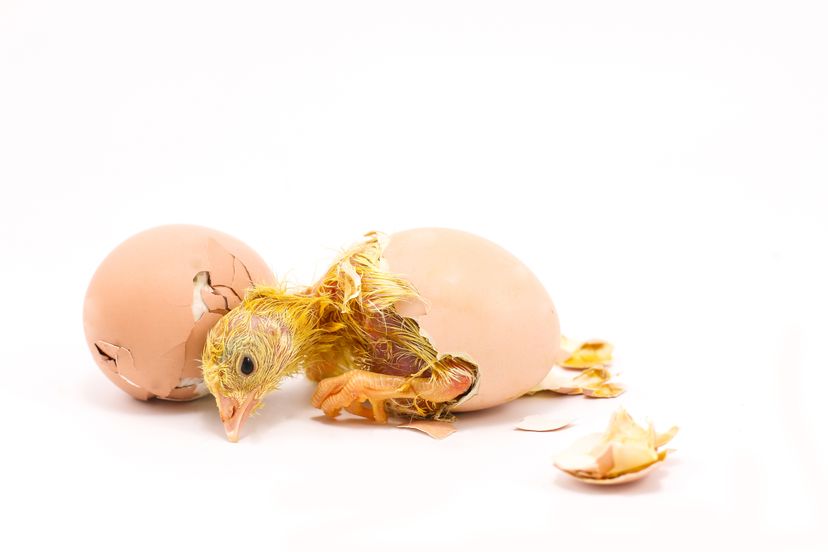 Figure 1: Newly hatched chicks need special care.
A good start secures lifetime performance.
Newly hatched chicks need special care. With the right start, you can expect good performance along with:
Robust immunity
High health status
Reduced need for antibiotic treatments
Improved economy
The negative effects of a lengthy fasting time after hatch on health and performance have been thoroughly studied in recent years. And the benefits of early access to feed and water have been scientifically proven. Beneficial effects are seen for:
Animal welfare
Health status
Lifetime performance
Early feed intake promotes physiological and morphological changes.
But how exactly does early feeding affect performance and health?
The nutrients provided naturally in the yolk sac nourish the chick while the mother hen waits for the remaining chicks to hatch. This provides sufficient nutrients for two to three days. Chicks that hatch latest in the clutch have an advantage because they start with feed intake sooner after hatch. They also still have the full reserve of the high-fat, high-energy residual yolk. Both energy sources can be utilized:
Nutrients from feed intake can be fully integrated into growth processes. The proportional growth of the small intestine is greater than that of body weight and peaks within the first ten days.
The activation of the immune system benefits from the high energy supply.
Digestive enzyme production is triggered by early feed intake. It eases the transition from a high-fat (yolk) to a high carbohydrate, grain-based diet.
The growth of intestinal villi is promoted by early contact with feed. Longer villi provide a larger intestinal surface area that allows better nutrient resorption.
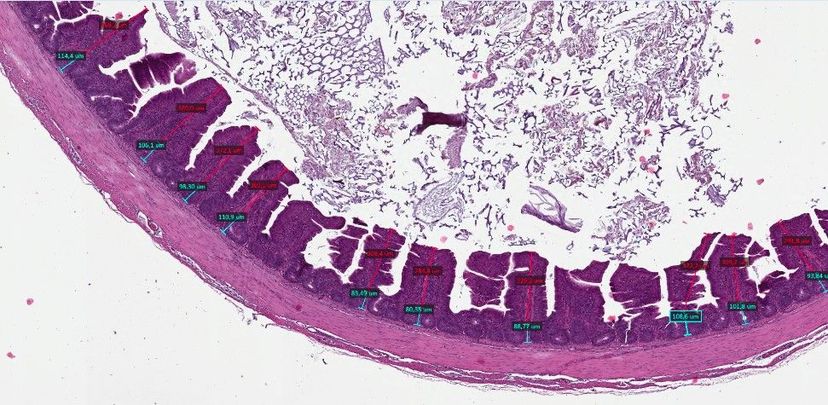
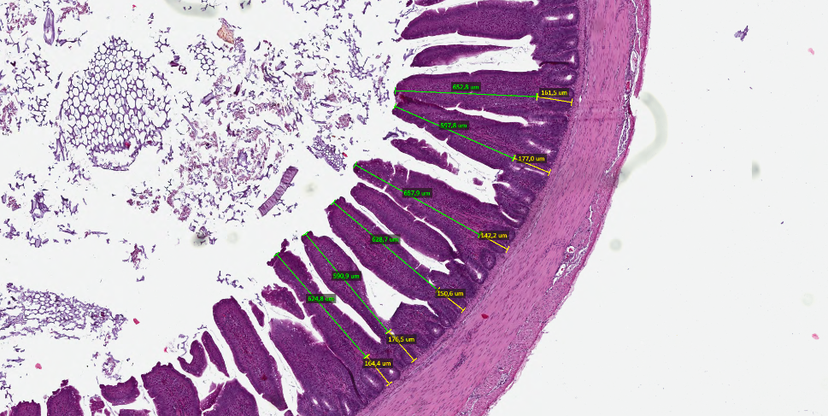 Figure 2: Intestinal villi of two 21-day old turkey poults. Top: Short villi and small surface area after antibiotic treatment. Bottom: long villi and larger surface area after initial probiotic treatment. Similar effects are observed in broilers.
What are practical options to provide early feeding? How can a successful start into life be achieved?
Let’s take a look.
Hatchery concepts.
These aim at providing feed and water to newly hatched chicks while they are still in the hatcher. There are several hatchery equipment providers on the market that offer well thought-out solutions. In all of these systems, the chicks have access to feed and some sort of hydration as soon as they have pecked their way out of the eggshell. Due to high investment costs and stringent demands on management and hygiene, these systems may not be an immediate solution for hatchery operators.
The use of gel application technology in the hatchery can be a viable alternative. Although it does not provide the same nutritional value as a complete feed, this form of provision is very well suited for the application of beneficial supplements. These could be pro- and prebiotics, vitamins, and other micronutrients.
These systems are ideally suited for the application of probiotics. They minimize the risk of contaminating the hatchery with live bacteria, which could happen with a water-based spray application. This is also much more hygienic than providing the probiotic with the same batch of feed in the hatcher at high temperatures for up to three days. Other benefits include:
Uniform distribution of supplements among all chicks
Quick and high intake rates
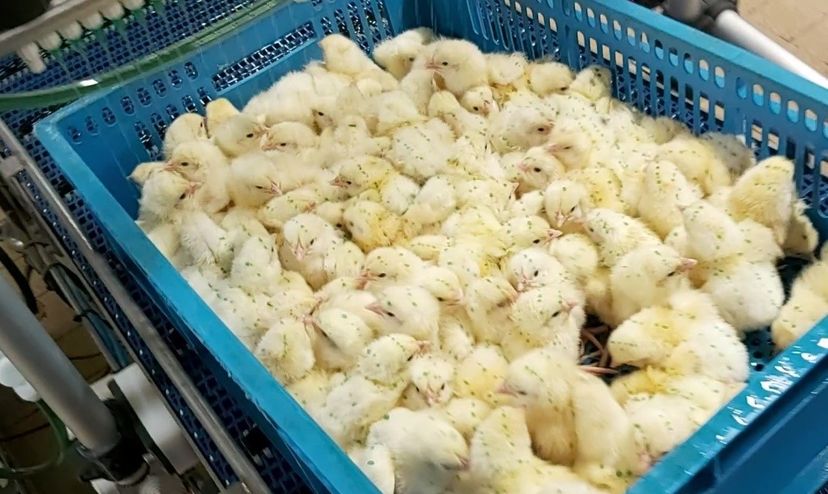 Figure 3: Application of gel droplets in the hatchery.
With these systems, the first and earliest care for chicks can already take place in the hatchery without great effort. Now let's look at how we can follow up with a good feeding concept.
“Welcome feed” or high-quality pre-starters.
These are starting to gain more importance and are a great way to upgrade a regular starter diet. A good pre-starter can easily be the most expensive feed. The comparatively low feed intake of young chicks and the expected benefits easily outweigh the costs of high-quality ingredients. They are offered from housing onward for the first five to seven days.
A good pre-starter feed should be:
Palatable to promote high feed intake
Easily digestible
Of high energy content
Able to develop and stabilize the microbiome
There are a few additives and functional feeds that are especially well-suited for use in pre-starter diets and should be included in all cases. Some examples of additives that have been proven beneficial include:
Organic acids: these are known to enhance digestibility, control pathogens in the intestinal tract and improve feed hygiene.
Enzymes: a good provision with NSP, starch- and protein-splitting enzymes will increase digestibility and feed efficiency while digestive enzyme production is still upregulated.
Pro- and prebiotics: competitive exclusion and microbiome stabilization are essential for good health and performance.
Hydrolyzed yeast products: these bring multiple benefits for palatability and nutrient composition.
It has been proven that hydrolyzed yeasts in particular improve feed intake, feed conversion and weight gain. They provide nucleotides and easily digestible amino acids that can be utilized by highly proliferative tissues, such as the intestinal mucosa. They also support the development of the intestinal tract.
Pro- and prebiotics are the most important additives for a great pre-starter. But the application of probiotics via water as a “welcome drink” is also indicated. The gastrointestinal tract is almost sterile at hatch and the microbiome needs to develop in the first weeks of life. In this sensitive phase, the right choice of pro- and prebiotics can foster good gut health in the following ways:
Colonization of the gut with beneficial bacteria
Support of lactic acid bacteria population
Support in the suppression of pathogens
Improvement of digestibility through enzyme production
Positive influence on intestinal morphology and immunity
A holistic concept for ideal microbiome and gut health support will include two types of probiotics:
Lactic acid bacteria: provided via the drinking water as early as possible for a fast colonization
Bacillus-based probiotics: support the developing microbiome and are suitable for pelletized feed
The quality of the first feed can be decisive for lifetime performance. The focus on optimizing gut health also benefits animal welfare.
What can you do to best support your chicks?
Combine hatchery concepts and “welcome feed” practice
Supply probiotics as early as possible for competitive exclusion and microbiome stability
Invest in high quality ingredients for pre-starter diets
Include highly digestible, palatable ingredients with balanced amino acid profile


