Biochem
Products
Biochem
gmp+

GMP+ (FSA)

Feed Safety

A Futter

A-Futter

Quality Management

EG OKO

EG-Öko

Organic Feed

QS Feed Safety

QS

Feed Safety

GMP+FRA

GMP+ (FRA)

Quality Management

ISO 50001

ISO 50001

Energy Management

ISO 9001

ISO 9001:2015

Quality Management

VLOG

VLOG

Quality Management

EcoVadis

EcoVadis

Sustainability

Let’s Connect:LinkedInFacebookYoutube

Links

  • About Us
  • Contact Us
  • FAQs
  • Environment and Safety
  • Whistleblower Platform
  • Modern Slavery Act Statement

Products

  • All Products
  • TechnoSpore®
  • B.I.O.Tox® Activ8
  • E.C.O.Trace® Iron
  • BetaTrace® Iron
  • LiquiTonic LC

Animal Species

  • Ruminants
  • Poultry
  • Swine
  • Aquaculture
  • Companions

Legal

  • Imprint
  • Privacy Policy
  • Terms & Conditions

© 2025, Biochem Zusatzstoffe Handels- und Produktionsgesellschaft mbH

  • ImprintPrivacy PolicyTerms & Conditions
  1. Home
  2. News
  3. Articles
  4. Heat stress: 3 ways to adapt poultry feeding to climate change

Heat stress: 3 ways to adapt poultry feeding to climate change

Publicado el: March 26, 2020
Autor: Biochem Team
Hora: 5 min read
Compartir en:
Loading article content for text-to-speech...

In summer—especially in times of global warming—humans break out in a sweat to cool down. But how do our animals cope with the heat?

Global poultry production is facing higher ambient temperature and extended periods with challenging climate conditions. At the same time, an efficient poultry production is necessary to fulfill the global demand for poultry products with the lowest possible impact on climate and environment.

Along with optimizing animal housing and ventilation, adapting feed strategies can help maintain productivity in periods of high heat stress. Feeding management, feed composition and feed additives are three ways to adapt poultry feeding to climate change.

1. Feeding management.

  • Shift time of feeding until after daily heat peak to reduce metabolic heat production during the hottest hours of the day

  • Smooth transitions in feeding during periods with chronic heat stress (longer periods with high temperature)

  • Avoid feed changes and make use of extra supplements via water during acute heat stress (rapid rise in temperature)

2. Nutrient requirements and diet composition.

Body heat production is a result of digestion and metabolism. A certain temperature difference between the animal and the environment is needed to emit excess heat. If this is not possible, feed intake will be downregulated. Lower crude protein is an efficient measure to reduce metabolic heat production. The ratio of energy to essential amino acids should not be changed to avoid limitations in protein synthesis.

Digestible fat is the energy source with the lowest percentage of metabolic heat production. However, during stress, glucose becomes the predominantly required energy source. Therefore, the selection of the right combination of highly digestible energy sources is crucial. The birds cannot compensate imbalances in the nutrient supply. This leads to a higher level of abdominal fat and poor carcass quality.
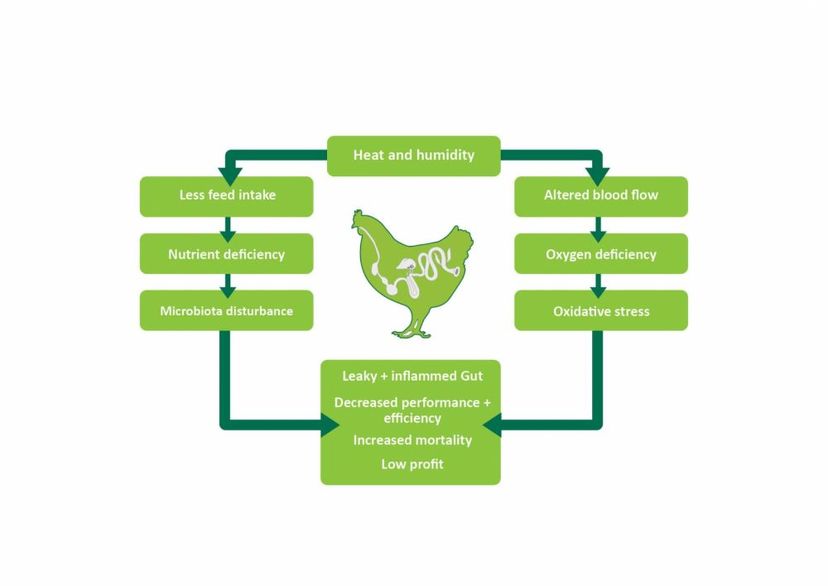
Figure 1: Effect of heat stress on growth performance of poultry (adapted from Alagawany et al., 2017).

Physiological reactions and consequences during heat stress.

  • Increased heat emission from panting leads to respiratory alkalosis through increased CO2 exhalation. This results in electrolyte imbalances with effects on intestinal osmoregulation and water consumption.

  • An impaired protein and DNA/RNA synthesis can be observed on a cellular level. The animals must manage oxidative stress and a higher demand for heat shock proteins to protect from protein misfolding.

  • More intensive skin perfusion reduces the blood flow to the gastrointestinal tract, limiting nutrient and oxygen supply. This increases oxidative stress and has negative impact on connections between intestinal cells (enterocytes), so-called tight junctions.

  • Reduced feed intake and changes in digesta characteristics can result in a dysbacteriosis. This disturbs the barrier function of the gut and fosters the risk of developing a leaky gut syndrome.

In regions where heat stress is expected for several weeks or months, the strategic use of feed additives is an important measure. Three additive groups help mitigate the physiological reactions to heat stress and its consequences: 

3. Protect your animals with feed additives.

Betaine anhydrous is a multi-talent.

Maintaining osmoregulation is crucial for intestinal cell functioning. Betaine anhydrous is easily absorbed and is an organic molecule with strong osmotic properties:

  • It supports the enterocytes and reduces their efforts for osmoregulation via sodium-potassium-pump activity. Water retention and electrolyte supply are improved. Excessive thirst and disproportionate water intake with negative consequences for the litter quality can be avoided.

  • On a metabolic level, betaine increases the supply with methyl groups that help compensate heat-induced stress (adrenaline production) as well as impaired protein and DNA/RNA synthesis. Immune functions often suppressed during heat stress are also supported by extra methyl groups from betaine.

Overall, betaine anhydrous provides extra energy (savings of ion-pumps) and amino acids (re-methylation of methionine). It ends up as a precursor of glycine and the methyl groups can be used to metabolize other temporary limiting amino acids. For example, heat shock proteins (e.g., HSP 70) play an important role in the protection and repair of protein structures and tissue. L-glutamine can support expression of HSP 70 and different trials showed a strong positive correlation between antioxidant status and the level of HSP 70 during heat stress.

Organic trace minerals against oxidative stress.

Reduced feed intake and changes in digesta osmolarity endangers the optimal supply of trace minerals. Absorption is reduced, and feeding high-quality organic trace minerals helps to overcome this limited bioavailability. Trace minerals are crucial to form antioxidative enzymes like superoxide dismutase.

Oxidative stress describes an accumulation of superoxide and hydrogen peroxide (ROS = reactive oxygen species) during ATP production via oxidative phosphorylation in the mitochondria. After a sharp increase at the beginning of a heat stress period, oxidative stress leads to mitochondrial dysfunction. Based on the availability of different antioxidants like vitamin C and E, glutathione and superoxide dismutase, the formation and elimination of ROS will find a new balance if heat stress continues. Increasing antioxidants is an important measure to maintain cellular energy supply by the mitochondria, which is crucial for the cell function. Along with the superoxide dismutase, glutathione is the second important endogenous antioxidant. It consists of three important amino acids: cysteine, glutamic acid, and glycine.

If glycinates are used as a source of organic trace minerals, the contained glycine supports glutathione synthesis and helps reduce cell and tissue damage. On intestinal level, reduction of oxidative stress plays a vital role in avoiding leaky gut syndrome.

Pro- and prebiotics to support intestinal health.

The intestinal barrier function is crucial to protect the animals and especially the liver against many harmful substances and bacteria entering the portal vein. The tight junctions between the intestinal cells are the weakest part of this barrier, which makes protecting this protein bonding especially important.

In addition to helping the animals avoid leaky gut syndrome, maintaining a healthy microbiota is very important. It becomes disturbed by heat stress-induced changes in feed intake and feeding behavior. Pro- and prebiotics are the most used feed additives to stabilize and support a beneficial microbiota. They reduce the impact of harmful bacteria and make it possible to control the risk of toxic metabolites like LPS. Furthermore, pro- and prebiotics support feed digestibility and nutrient absorption. This is important for the animal’s resistance to heat stress and helps to minimize performance depression.

Conclusion.

Heat stress is a growing problem for poultry production operations because animals lose their ability to compensate for suboptimal feeding or management. This is why it is important to provide every means of support to minimize losses and help animals overcome heat stress. Feed additives play an essential role when heat stress is expected to continue for several weeks. These products should be used in combination with short term, on-farm application of special feed supplements during acute heat exposure.

More Articles

Understanding the World Through Our Pets’ Eyes

Comprender el mundo a través de los ojos de nuestras mascotas

La vida moderna puede ser tan estresante para nuestras mascotas como lo es para nosotros. Desde tormentas repentinas hasta pequeños cambios en la rutina diaria, los gatos y los perros suelen necesitar un poco de apoyo extra para sentirse a gusto. Descubre cómo un enfoque natural y suave para el equilibrio emocional puede ayudar a tu mascota a mantenerse «naturalmente centrada» y «suavemente equilibrada» cada día.

Share on:
The Billion-Dollar Stress Problem You Can’t Cool Away

El problema multimillonario del estrés que no se puede airear fácilmente

A medida que las temperaturas aumentan y la presión metabólica crece, las consecuencias económicas para las explotaciones lecheras comienzan mucho antes de que las pérdidas se hagan visibles en el tanque de leche. Descubra por qué un enfoque multifactorial para la resiliencia al estrés es la inversión más eficaz que puede realizar: para cada estación, cada ciclo, cada vaca.

Share on:
How to Reliably Prove the Efficacy of a Toxin Binder

¿Cómo demostrar realmente la eficacia de un secuestrante de micotoxinas?

¿Cómo saber si su secuestrante de micotoxinas realmente funciona dentro del animal? Descubra nuestro método de evaluación validado que conecta una precisa simulación gastrointestinal en laboratorio con pruebas de rendimiento in vivo frente a múltiples toxinas en pollos de engorde.

Share on:
Feed Intake First – The Top Priority.

El Consumo de Pienso: La Prioridad Máxima.

La fase de transición es un periodo crítico para el desarrollo de los lechones. Cuando la ingesta de pienso disminuye, la integridad intestinal se ve comprometida, creando un ciclo de bajo rendimiento. Nuestra investigación más reciente explora cómo el perfil de Kluyveromyces fragilis, rico en sabor umami, ofrece una base natural y estable para mantener el apetito y apoyar la inmunidad durante este periodo de alto estrés.

Share on:
Securing the Future of Dairy Performance with Rumen Bypass Betaine.

BetaTrace®: asegurando el rendimiento lechero futuro con betaína by-pass.

La betaína estándar a menudo se pierde debido a la degradación en el rumen, lo que limita su capacidad para ayudar a las vacas en transición cuando más lo necesitan. BetaTrace® supera este reto al combinar la betaína con minerales orgánicos, lo que le permite pasar el rumen y favorecer eficazmente la salud y el metabolismo del hígado. Descubra cómo este aditivo de doble acción aumenta la disponibilidad de metionina y mejora el rendimiento de la lactación, al tiempo que aporta minerales esenciales.

Share on:
Managing Mycotoxins: Real Stories, Real Solutions.

Gestión de las micotoxinas: historias reales, soluciones reales.

Cuando un ganadero porcino se enfrentó a una inestabilidad inexplicable en su piara de cerdas y los secuestrantes a base de zeolita estándar no proporcionaron una solución. Lea cómo el cambio a B.I.O.Tox® Activ8 restauró el rendimiento reproductivo y mejoró el número de lechones destetados en una decisiva prueba de campo de seis meses.

Share on:
Time to Rethink Weaning: Why Smarter Strategies Deliver Stronger Biological and Economic Outcomes in Dairy Calves.

Momento de replantearse el destete de las terneras: por qué estrategias más inteligentes ofrecen mejores resultados biológicos y económicos.

Considerar la recría de novillas como un mero centro de costes pasa por alto su potencial como una inversión masiva en la productividad futura de su rebaño. La fase de destete es especialmente crítica; los errores en esta fase pueden echar por tierra los beneficios iniciales y reducir de forma permanente la producción de leche a lo largo de la vida productiva. Descubra cómo facilitar el destete y proteger su inversión con RumiPro® Wean.

Share on:
Day-Old Chick Quality: Why is it an important topic?

Calidad de los pollitos de un día: ¿por qué es importante?

Descubra por qué la calidad de los pollitos de un día se ha convertido en un factor decisivo en el volátil mercado avícola actual. Aprenda cómo las primeras horas después de la eclosión pueden determinar el potencial rendimiento de todo el cebo y por qué los principales productores están implementando protocolos especializados de apoyo temprano. Descubra estrategias respaldadas por la ciencia que pueden mejorar drásticamente la calidad y la rentabilidad de sus pollitos de un día (DOC).

Share on:
Managing Large Litters

Manejo de camadas numerosas.

La mejora genética ha dado lugar a camadas más numerosas, pero no sin costes. Los objetivos de selección de las cerdas han cambiado en las últimas décadas, centrándose en tasas de ovulación más altas y camadas numerosas. Esto no solo aumenta la demanda y la presión sobre las cerdas, sino que camadas grandes aumentan la variación en el peso al nacimiento, la competencia por la ubre y las bajas predestete. Este boletín explica formas prácticas y basadas en la ciencia para apoyar la salud de las cerdas, el suministro de calostro y leche, y el cuidado temprano de los lechones. También verá cómo los conceptos para uso en agua y de alimentación individualizada en la granja pueden aumentar la uniformidad y el éxito del destete.

Share on:
TechnoSpore® in Broilers: A Meta-Analysis.

TechnoSpore® en pollos de engorde: un metaanálisis.

La producción avícola actual se enfrenta a retos únicos debido a su rápido crecimiento y su alta sensibilidad a las enfermedades. Descubra cómo TechnoSpore®, un probiótico basado en Bacillus coagulans DSM 32016, mejora la eficiencia productiva al mejorar la salud intestinal y la digestibilidad del pienso. Respaldado por extensos estudios que han involucrado a más de 3 millones de aves, TechnoSpore® ofrece resultados medibles que pueden mejorar significativamente el rendimiento de sus animales.

Share on:
Mycotoxins: A Pervasive Challenge.

Micotoxinas: un desafío omnipresente.

Las micotoxinas representan una amenaza silenciosa pero omnipresente para la alimentación y la salud animal en todo el mundo. Descubra cómo se desarrollan estos peligros ocultos, por qué la contaminación múltiple es una preocupación creciente y los métodos avanzados necesarios para una detección precisa. Conozca cómo Biochem afronta estos desafíos y descubra las posibilidades que ofrece el análisis de micotoxinas, incluyendo estrategias personalizadas para proteger el bienestar animal y la rentabilidad.

Share on:
Rethinking Trace Minerals: Healthier Shrimp, Cleaner Planet with E.C.O.Trace®.

Reconsiderando los minerales traza: camarones más saludables, planeta más limpio con E.C.O.Trace®.

Los microminerales son fundamentales para que los animales alcancen el máximo rendimiento, pero ¿cómo podemos garantizar su ingesta óptima sin dañar nuestro planeta? Las fuentes tradicionales pueden generar un gran desperdicio de minerales y problemas medioambientales. Descubra cómo E.C.O.Trace®, minerales orgánicos, ofrecen una solución más inteligente, mejorando la absorción, para proporcionar una mejor salud de los camarones con un menor impacto medioambiental. Es hora de conseguir más con menos para un futuro sostenible en la nutrición de los camarones.

Share on:

Subscribe to our Newsletter.

Stay in the loop! Get educational insights and product news delivered right to your inbox. Sign up for our quarterly newsletter today!