Day-Old Chick Quality: Why is it an important topic?
The quality of day-old broiler chicks (DOCs) is at the forefront of many poultry managers’ minds and remains a widely discussed topic in the industry. Healthy chicks are essential for optimal poultry performance, with the quality of day-old chicks being the foundation of successful poultry production, determining profitability. Chicks of poor-quality start slowly in the field and may have lower feed intakes, poor growth rates, and poor feed conversion ratios. Farmers face considerable challenges in influencing this factor because chick quality is established during the earliest stages of chick development.
Farmers must be able to spot substandard chicks and understand all factors affecting DOC quality as soon as they arrive at the farm. This knowledge allows them to identify problem areas and make any necessary corrections. However, several issues, some of which are difficult to detect early on, can affect the quality of DOC. From the breeder’s farm to the hatchery and transportation to final farm reception, management practices have a real impact. Optimized processes and preventive measures can ensure chicks get off to the right start.
Why First-Week Development Matters.
The overall zootechnical performance of a flock depends on many factors, but it is important to understand that without a solid foundation established during the first week, the flock has a much lower chance of reaching its desired target performance. Chicks are expected to quadruple their weight within the first week of life. The better their starting weight, the better their chances of achieving a good weight after the first week. Achieving this lays groundwork for the rest of the growth period.
The gut develops faster than any other organ—four times faster, in fact. It drives the absorption of nutrients necessary for growth and has the largest amount of associated lymphoid tissue, a key factor in developing immunity during the first week. Many factors affect DOC quality, which influences first-week development, as well as future production efficiency and profit margins (Figure 1).
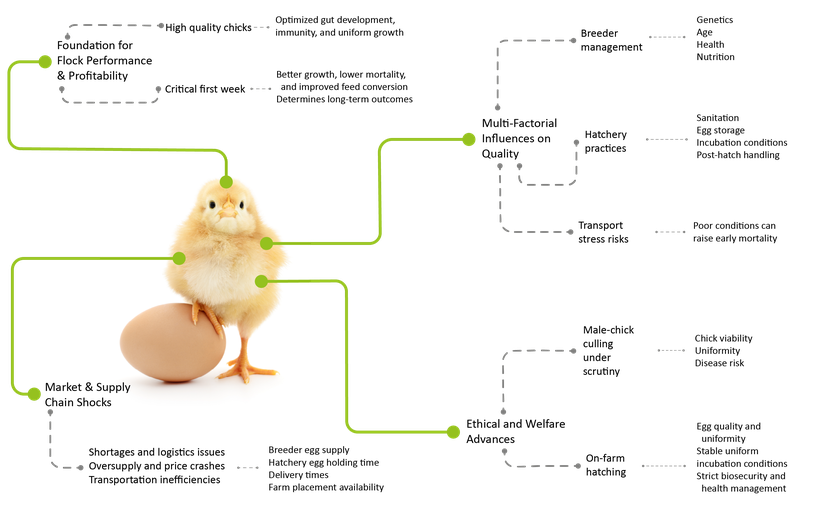 Figure 1: What affects the quality of day-old chicks.
The Journey to Quality: From Breeding to Hatching to Farm.
Good breeder management is the foundation of high-quality chicks. The genetics, age, nutrition, and health of the parent flock all significantly impact chick quality. The next step in the process is incubating and hatching eggs from the breeding parent stock. This is a critical step. For example Improper incubation conditions, sanitation, post-hatch handling, and egg storage can result in decreased egg and chick quality.
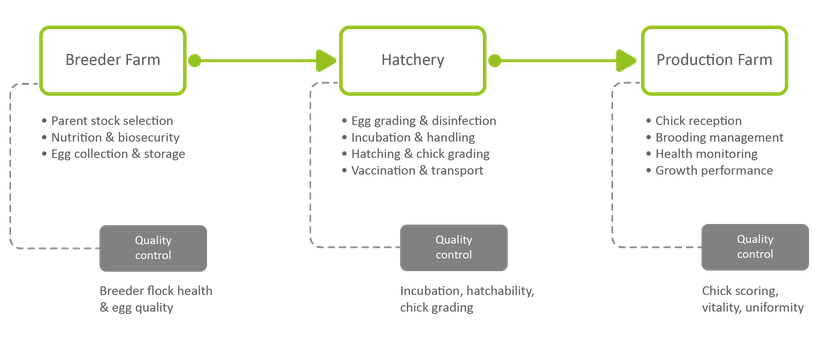 Figure 2: The influences on chick quality at different stages.
Appropriately managing these factors ensures that embryos develop in a healthy, growth-conducive environment, which significantly affects hatchability and chick quality. Improper handling can result in hatched chicks with issues such as delayed yolk sac absorption, poor navel healing, and poor uniformity. These chicks may also have poor infection resistance, preventing them from getting a good start.
Critical Hours: Early Nutrition and Welfare.
Chicks are sensitive to environmental stressors during the early post-hatch period. If not carefully managed, mortality can increase rapidly in the first days of life. During the hatchery logistics period, which begins with the hatch window, chicks experience a significant increase in energy demand. Afterward, the chicks undergo several processes, including sexing, sorting, vaccination, and preparation for transport and delivery to the farm, which is typically done before the chicks have access to feed or water.
A lack of access to feed and water during the early post-hatch period has been shown to have detrimental effects on the birds further development and performance (Figure 3). Prior research has shown that delaying access to feed for 48 hours after hatching affects the expression patterns of genes related to the small intestine, gut barrier, and tight junctions; carbohydrate and amino acid utilization; and hormonal signaling, cellular differentiation, and protein metabolism within muscle tissue.
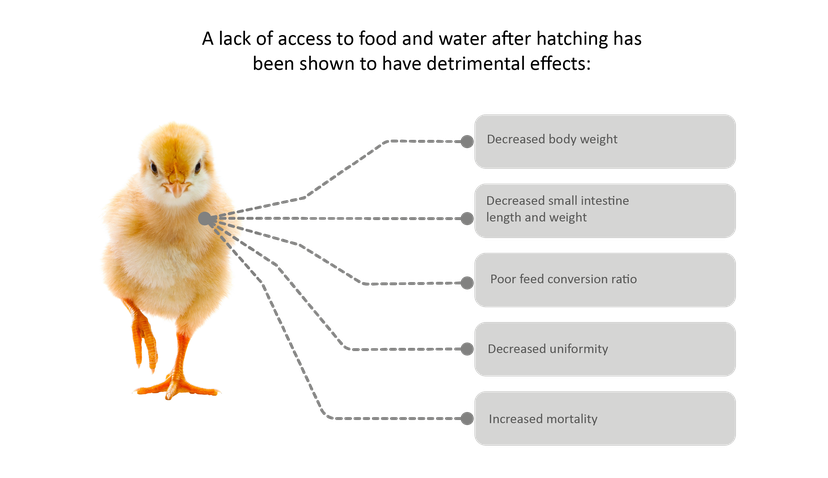 Figure 3: The harmful effects of delayed access to food and water.
Over the years, advances in ethics and animal welfare have influenced developments in the industry that directly affect hatchery processes. Most markets have recognized the importance of nutrition as early as possible for improving DOC quality, which is important for chick welfare. Providing ad libitum access to feed and water as soon as possible after hatching stimulates gut and immune system development and mitigates the weight loss and mortality associated with delayed feeding. The concept of early support has evolved into various methods to give DOCs a strong start (Table 1).
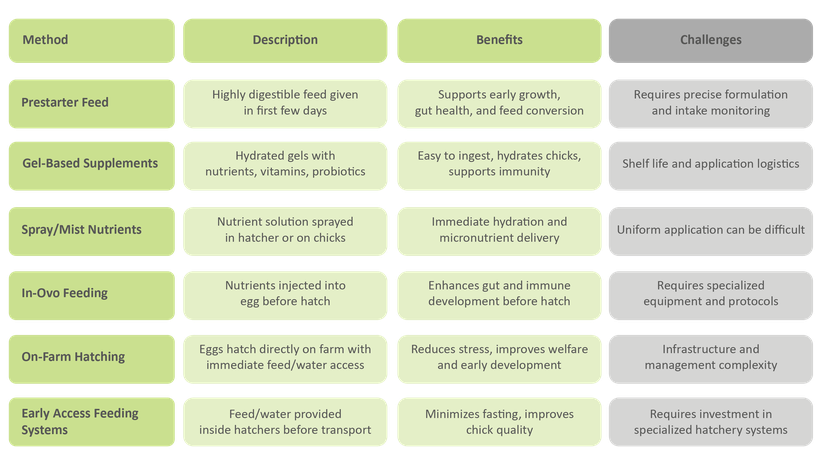 Table 1: The different methods of early support and their benefits and challenges.
On-farm hatching is a relatively new process in the industry to eliminate the need for chicks to undergo unnecessary hatchery logistics from the hatching window until delivery to the farm. It also provides chicks with direct access to feed and water immediately after pipping. Studies have shown that, under appropriate conditions, on-farm hatching can produce robust, top-quality chicks. However, not all markets are ready for such a significant shift in chick production and hatcheries remain a critical step between parent and production flocks.
Under the DOC welfare-umbrella, the topic of determining the sex of chicks before they hatch and culling male chicks has emerged as a global concern. Several producers are exploring or implementing solutions to address this issue. Europe has been at the forefront of this ethical issue, particularly in markets such as France and Germany. However, this has added another layer to hatchery processes, bringing with it both advantages and disadvantages in managing DOC quality.
Hatchery Logistics, Market Challenges, and Their Significance.
The overarching goal is to prioritize animal welfare and economic efficiency within the poultry production industry. Markets are volatile; the supply and demand of DOCs are unstable due to changes in biology (such as hatchability and disease), policy (like culling bans and movement rules), and logistics (like shipping costs and services). Shortages and oversupply caused by factors such as war, government regulations, and pathogen pressures like avian influenza have led to soaring DOC prices in many markets (Figure 4).
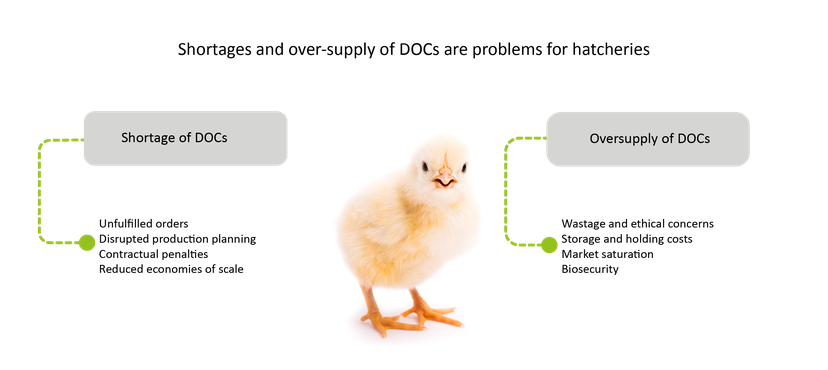 Figure 4: The problems associated with over or undersupply of DOCs.
Efficiently managing the holding times of eggs and hatched chicks at the hatchery has thus become more complicated and is even more vital to delivering high-quality chicks. However, current market issues with supply chains and logistics are extending egg holding times. It is reported that extended holding times after hatching lead to compromised DOC quality due to dehydration, diminished yolk sac reserves, reduced body weight, and increased mortality both before and after placement.
Furthermore, previous studies indicate that the detrimental effects of longer holding times are less pronounced in eggs from younger breeders than in eggs from older flocks. However, chicks from younger hens tend to be smaller at hatching and higher hatching weights are considered more beneficial for establishing a strong foundation. As such, adapting storage conditions according to breeder age may mitigate the negative effects of longer holding times on DOC quality.
Ideally, integrators and hatcheries should strive for mid-lay flocks of approximately 40–50 weeks of age to optimize chick weight, vigor, and immunity while minimizing the risk of breeder-driven factors negatively impacting DOC quality. Unfortunately, due to the fluctuating market conditions, this is not always possible, and hatcheries face constant challenges in maintaining good hatchability and producing high-quality chicks. Therefore, the focus on ensuring those critical first hours and days set the best possible trajectory for poultry production.
Supporting Chicks for a Strong Start.
At Biochem, we have examined the various processes involved in DOC quality. Despite technological advancements in chick care during and after hatching, chicks frequently encounter unavoidable stress due to limited access to water and feed, vaccinations, extreme transport conditions, and issues in the production and supply chain. These factors can contribute to a poor start for the chicks.
In many cases, DOCs benefit from nutritional support in the hours and days after hatching. Biochem’s DOC Early Support program offers a comprehensive solution. The DOC Early Support program focuses on providing early nutrition support to stimulate gut development as soon as possible. This approach directly benefits immune system development and decreases the likelihood of pathogen manifestations in the gut during the first few days, while also increasing the chick’s ability to absorb nutrients.
Additionally, the DOC Early Support program focuses on supporting intestinal wall integrity and maintaining hydration during the first few hours. This is particularly useful for controlling pathogens, maintaining tight junctions, and preventing dehydration during transport and in thermally challenging situations. The final component of the DOC Early Support program is the methyl-group donation mechanism, which replenishes deficits that may occur during post-hatch processes.
This program focuses on two areas: the hatchery and the first stage of on-farm development. This allows us to provide maximum support for the chicks at the beginning of their lives. Over the past several years, Biochem has supported more than 250 million birds annually through its DOC Early Support program.
The program has shown to improve first-week mortality and weight gain, as well as overall flock uniformity and depletion. It has helped customers reduce first-week mortality to less than 1 % and improve final mortality by more than 3 % in some cases. From customer reports in the European region we have observed improvements in first-week mortality, dropping from 1.22 up to as low as 0.79 % in broilers coming from young parent stock flocks younger than 30 weeks of age. At the same time the first-week body weight improved in these flocks (Figures 5 and 6).
Implementing the DOC Early Support program has also shown important results in decreasing the stress-effect of hatchery logistics and especially long transport durations in the hot, humid climate conditions of Asia-Pacific. Body weights of chicks upon arrival at the farm were higher in chicks supported by the program in comparison to chicks without any support, and improvements in first-week zootechnical parameters were also observed (Figures 5 and 6).
Two important factors during long transport durations are the weight loss of the young chicks and the mortality during transport. Trials in Asia-Pacific have shown that the DOC Early Support program in DOC grandparent stock birds was able to decrease weight losses by up to 40 % and mortality during transport by up to 50 %. Through improved chick health and decreased culling rates, the program has helped reduce the overall number of dead chicks arriving at the farm.
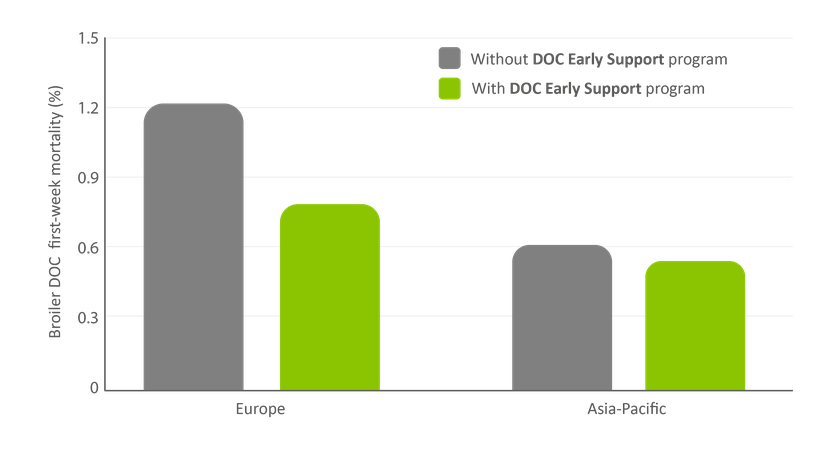 Figure 5: First-week mortality in DOC decreases when the DOC Early Support program is implemented.
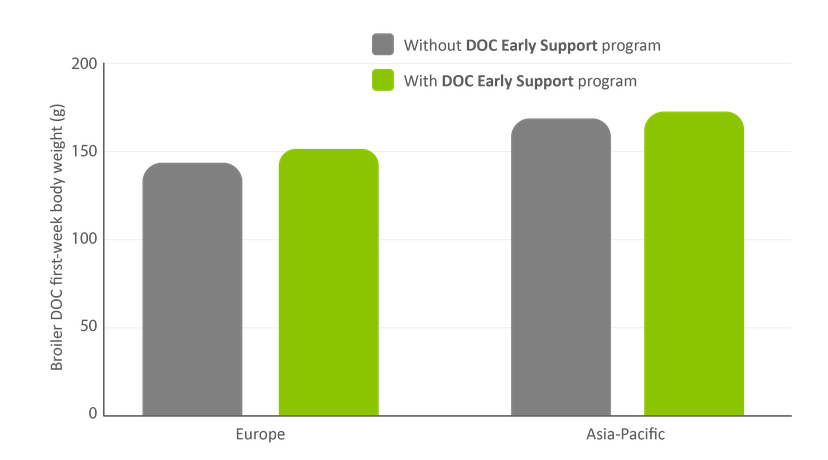 Figure 6: First-week body weight increases in broilers when the DOC Early Support program is implemented.
The poultry industry stands at a critical intersection where science, economics, and welfare converge in the production of DOCs. As markets fluctuate and challenges persist, proactive management of DOC quality becomes not just beneficial but essential for sustainable production. By implementing comprehensive early support strategies like those offered by Biochem, producers can transform vulnerable chicks into robust performers that reach their genetic potential. Your investment in DOC quality isn't merely an operational decision; it's the foundation upon which your entire production system’s success will be built.


